
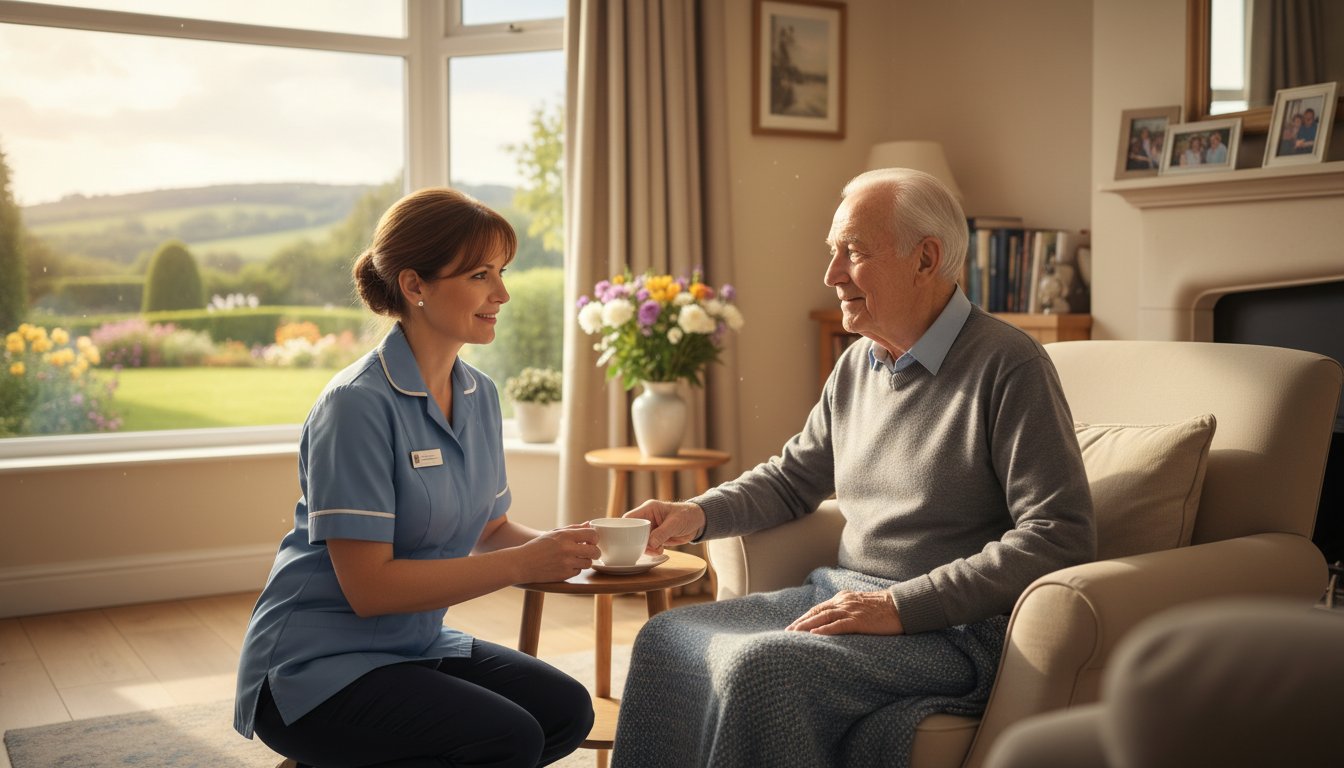
When 71% of people in the UK express a wish to remain at home during their final months, the reality of managing complex medical needs often feels daunting. Imagine a Tuesday afternoon in 2026 where your loved one is resting in their own familiar bed in Dorset, surrounded by family photos rather than clinical monitors. You likely feel a heavy weight of responsibility and perhaps a touch of guilt that you can’t manage every medical detail alone. It’s common to fear that choosing palliative care means giving up, but it’s actually about reclaiming the quality of every moment spent together in a place of safety and comfort.
This guide shows you how bespoke support transforms the home into a sanctuary of professional medical care and emotional stability. You’ll learn how to access expert pain management and holistic family support that preserves dignity without the coldness of a hospital setting. We’ll clarify the confusing differences between palliative and hospice care while providing a clear, compassionate roadmap for your family’s journey through the coming months. Discover how to maintain independence and peace of mind during this sensitive time.
Key Takeaways
- Understand how specialized support prioritizes comfort and dignity, allowing your loved one to manage a serious illness within the familiar sanctuary of their own home.
- Explore the holistic benefits of a multidisciplinary approach that combines clinical expertise with deep emotional reassurance to reduce feelings of isolation.
- Learn the vital distinction between end-of-life support and palliative care, including how bespoke services can enhance quality of life over many years.
- Discover the essential steps for navigating local healthcare pathways across Oxfordshire and Dorset, from initial GP consultations to council care assessments.
- Find out how a person-centred approach protects independence by blending professional medical safety with the genuine warmth and heart of a family home.
What is Palliative Care at Home? Defining Comfort and Dignity
Facing a serious illness brings a wave of questions and emotional weight for any family in Oxfordshire or Dorset. At its heart, palliative care is a specialized form of medical and emotional support designed specifically for those living with a life-limiting condition. It’s a holistic approach that treats the person, not just the diagnosis.
The primary focus of this support is to alleviate the physical and emotional burden of illness. By concentrating on relieving symptoms, pain, and stress, the goal is to improve the quality of life for both the individual and their loved ones. To truly understand What is Palliative Care?, we must look beyond clinical definitions; it’s about preserving the sanctity of the home while ensuring medical needs are met with precision. Unlike hospice care, which typically focuses on the final six months of life, this support can begin at the moment of diagnosis. It works alongside curative treatments, providing an extra layer of relief while you continue your medical journey. A 2023 study published in the Journal of Pain and Symptom Management found that home-based support reduced emergency hospital admissions by 32%, proving that comfort and clinical safety can coexist outside a hospital ward.
The Core Principles of Palliative Support
Our approach is built upon rigorous pain and symptom management to ensure physical comfort and peace of mind. We don’t just look at charts; we listen to the individual’s experience of their condition. This includes psychological and spiritual support, acknowledging that a diagnosis affects the mind and soul as much as the body. We adopt a bespoke, person-centred philosophy, tailoring every aspect of care to your specific lifestyle and preferences. Whether it’s maintaining a specific morning routine or ensuring your favourite music is playing, we respect the small details that make you who you are. This stability is vital, especially since the 2024 NHS Long Term Plan emphasizes that personalized care leads to better health outcomes for 80% of patients with long-term conditions.
Who Benefits from Palliative Care?
Many individuals living with advanced cancer, heart failure, COPD, or progressive neurological conditions like Parkinson’s find that this support transforms their daily experience. It’s not limited to the elderly; anyone requiring palliative care can maintain their independence while managing a complex condition. For families in Wallingford and Abingdon, where over 15% of the population is aged 65 or over, this service is a lifeline. It allows residents to avoid frequent, distressing hospital admissions that often disrupt the peace of family life. By choosing home-based support, you’re choosing a sanctuary. You’re ensuring that your home remains a place of love and familiarity, rather than a clinical space. We provide the professional expertise of a healthcare provider with the warmth of a family-oriented support system, ensuring dignity is maintained at every stage of the journey.
The Holistic Nature of Palliative Support: More Than Just Medicine
The Holistic Nature of Palliative Support involves a team effort that looks far beyond a prescription pad. It’s a collaborative journey where GPs, community nurses, and specialist caregivers unite to wrap a layer of protection around the individual. According to a 2024 report by the National Palliative and End of Life Care Partnership, 82% of individuals expressed a preference for receiving support in their own residence. We honour this preference by transforming the home into a sanctuary. Our approach ensures that clinical needs are met without the cold, sterile atmosphere of a hospital ward. It’s about preserving the familiar scents of a kitchen or the view of a garden in Oxfordshire or Dorset.
Isolation is a heavy burden during serious illness. Professional companionship provides a vital emotional bridge, offering reassurance when anxieties peak. This isn’t just about “sitting with” someone; it’s about active listening and genuine human connection. Practical assistance with laundry, light cleaning, and errands keeps the household running smoothly. This allows the living space to remain a place of comfort rather than a source of stress. We use bespoke care planning to ensure every detail is accounted for. These plans aren’t static. A strategy developed in January 2026 might be adjusted by March 2026 to reflect changing physical or emotional requirements. This flexibility ensures the support remains relevant and deeply personal.
Managing Physical Symptoms at Home
Expert medication management is the cornerstone of comfort. Our caregivers work alongside clinical teams to monitor and alleviate pain, nausea, and breathlessness with precision. We understand that appetites change. Our team provides nutritional support by preparing small, calorie-dense meals that align with a client’s specific cravings or dietary restrictions. Safety is equally paramount. We provide mobility assistance to prevent falls, using steadying hands to maintain a client’s physical autonomy for as long as possible. This meticulous attention to detail helps maintain dignity in every movement.
This level of at-home care can also extend to highly specialized medical needs, such as advanced wound management for patients with limited mobility. While services vary by region, understanding different models of mobile healthcare can be informative. For those interested in this specific area, you can learn more about Healix360, a provider demonstrating how expert wound treatment can be delivered directly to a patient’s residence.
Emotional and Social Wellbeing
Professional companionship acts as a shield against the depression that often accompanies long-term illness. By providing a listening ear, we help process the complex emotions that arise. One of the most profound benefits of our service is how it restores family dynamics. When we take on the ‘caregiving burden,’ daughters can be daughters again, and spouses can focus on being partners rather than nurses. We also act as a local link, coordinating with spiritual advisors or support groups across the South West. Our team provides the peace of mind families need during these delicate times.
- 24/7 Monitoring: Constant observation to catch subtle changes in condition.
- Local Expertise: Deep connections with Oxfordshire and Dorset healthcare networks.
- Dignified Hygiene: Sensitive assistance with personal care that respects privacy.
- Family Respite: Scheduled breaks for primary relatives to prevent burnout.
Every person deserves to feel safe and cherished. By blending clinical safety with the warmth of a family home, we ensure that life’s final chapters are defined by comfort and respect. It’s a partnership built on trust and a shared commitment to quality of life.
Palliative Care vs. End-of-Life Care: Clearing the Confusion
One of the most persistent myths we encounter at Bloomfield Care is the idea that palliative care is only for the final days of life. This misconception often prevents families across Dorset and Oxfordshire from accessing holistic support much earlier in their journey. While end-of-life care focuses specifically on the final months or weeks, a bespoke palliative plan can span several years. It works alongside curative treatments, focusing on comfort and symptom management rather than just the terminal phase.
Research highlights the power of early intervention. A landmark 2010 study published in the New England Journal of Medicine demonstrated that patients receiving early specialist support alongside standard oncology treatments lived 2.7 months longer than those who didn’t. This evidence suggests that by prioritising quality of life and reducing physical distress, we often see better health outcomes. Understanding the distinction between Palliative Care vs. End-of-Life Care helps families make informed choices that feel right for their unique circumstances. Transitioning from purely curative goals to supportive care isn’t a defeat; it’s a commitment to living well for as long as possible.
The shift to supportive care is a deeply personal milestone. It involves moving away from invasive procedures that may cause more distress than benefit. Instead, the focus settles on what matters most to the individual. This might mean managing breathlessness so they can enjoy a garden visit or controlling pain to ensure restful sleep. It’s about providing a safety net that catches the small issues before they become emergencies.
When is the Right Time to Start?
Families in Newbury and Oxford often ask when they should transition from standard domiciliary visits to specialist support. Key indicators include frequent GP call-outs, increased pain levels, or a 20% decline in mobility over a three-month period. Introducing a caregiver early allows a bond of trust to form before needs become complex. Waiting for a health crisis often limits your options. Early engagement ensures your loved one’s preferences are documented and respected, giving everyone involved peace of mind.
Hospice Care at Home vs. Residential Hospices
Choosing between a facility and home care is a significant decision. In coastal areas like Weymouth or Poole, many individuals find that staying in their own home provides a sense of sanctuary that a clinical setting cannot replicate. Home-based palliative care delivers the same high clinical standards as a residential hospice, but within familiar surroundings. This approach protects independence. It allows the individual to remain the heart of their family, surrounded by their own memories, pets, and comforts, which is essential for emotional wellbeing.
- Personalised Environment: No restricted visiting hours for family or friends.
- Clinical Excellence: Specialist nurses and carers provide hospital-grade monitoring.
- Emotional Continuity: Staying in a familiar neighbourhood reduces confusion and anxiety.
- Bespoke Scheduling: Care routines are built around the person, not the facility’s timetable.
We believe that the home is where most people feel safest. By bringing specialist expertise to your doorstep, we ensure that the final chapters of life are defined by dignity and warmth rather than clinical checklists. Our role is to provide the professional scaffolding that allows your family to focus on being a family again, rather than acting as full-time medical coordinators.
Navigating Palliative Care in Oxfordshire and Dorset
Organising support during a sensitive time requires a clear, steady path. Your journey begins with your local GP, whether you’re based in the historic streets of Wallingford or the coastal community of Weymouth. This initial consultation is vital; your doctor acts as the gateway to specialist palliative care services, ensuring a formal referral is placed within the local NHS trust. Once this link is established, you should contact Oxfordshire County Council or Dorset Council to request a formal care needs assessment. Under the Care Act 2014, local authorities must assess anyone who appears to need support, regardless of their financial situation.
Statutory services often provide a baseline of support, but many families find that gaps remain in daily companionship or overnight assistance. This is where evaluating private providers becomes essential. We recommend a four-step approach to ensure no detail is overlooked:
- Consult your GP: Request a referral to the local community palliative care team.
- Request a Council Assessment: Ensure the local authority documents every physical and emotional requirement.
- Evaluate Private Support: Look for providers like Bloomfield Care who specialise in filling the gaps left by overstretched statutory services.
- Integrate Your Plan: We build a bespoke care plan that works in tandem with local district nursing teams to provide a seamless safety net.
This partnership ensures that clinical excellence and emotional warmth coexist. Your home remains a sanctuary, not a clinical ward.
Local Resources and Support Networks
Expert advice is never far away in the South. Families in Oxfordshire often benefit from the specialist clinical teams at the John Radcliffe Hospital in Oxford, while those in the West Country can access world-class expertise at Dorset County Hospital in Dorchester. Speed is essential when managing symptoms, so we maintain close links with local pharmacies in Newbury and Thatcham to ensure medication is delivered without delay. For emotional healing, the South Coast and Thames Valley offer various bereavement groups. These networks provide a space to share experiences with others who truly understand the weight of your journey.
Funding Palliative Care Locally
Financial clarity brings peace of mind. In Oxfordshire and Dorset, many individuals with a “primary health need” qualify for NHS Continuing Healthcare (CHC) funding. If a person’s health is deteriorating rapidly, the CHC “Fast Track” pathway aims to have a support package in place within 48 hours. For those who don’t meet these specific criteria, local authority personal budgets can often be used to fund home-based support. It’s a common misconception that residential care is the only option. In 2024, the average cost of a nursing home in the South East often exceeds £1,500 per week. Private live-in care frequently proves to be a more cost-effective alternative, allowing your loved one to remain in familiar surroundings while receiving one-to-one, dedicated attention.
Deciding on the right path for your family is a significant step, but you don’t have to take it alone. Our team is here to listen and help you explore how a tailored approach can protect your loved one’s independence. Contact Bloomfield Care today to discuss a bespoke support plan for your family.
Bloomfield Care: Bespoke Palliative Support in Your Own Home
Families across Oxfordshire and Dorset often face difficult choices when a loved one reaches the final stages of a terminal illness. At Bloomfield Care, we believe that the most compassionate place to receive this support is within the familiar sanctuary of your own home. This bespoke model of palliative care isn’t just about managing physical symptoms; it’s about preserving the dignity, comfort, and lifestyle of the individual during their most vulnerable time.
Whether you’re located in the heart of Wallingford or the coastal streets of Weymouth, we bring clinical expertise and a family-oriented heart directly to your doorstep. We don’t believe in one-size-fits-all solutions. Instead, we provide 24/7 peace of mind by ensuring that a trained professional is always available to handle complex medication schedules or provide a comforting word during a restless night. Our caregivers are part of the local community, which allows them to offer a level of reliability and stability that larger, national agencies often struggle to match.
Needs change, sometimes daily, and our services are designed to be as fluid as the requirements of our clients. We offer two primary paths for support:
- Live-in Care: A dedicated caregiver resides in the home, providing 24-hour presence for those with advanced needs.
- Hourly Visiting: Flexible visits ranging from 30 minutes to several hours, ideal for managing specific tasks or providing respite for family members.
Our caregivers undergo a rigorous 4-week induction programme that focuses as much on emotional intelligence as it does on clinical safety. This ensures every interaction is handled with the grace and patience your family deserves. By choosing home-based support, you’re choosing to keep your loved one surrounded by their memories, their pets, and their own routines, which can significantly reduce the distress often associated with clinical environments.
Our Person-Centred Planning Process
We begin every journey with a sensitive, comprehensive assessment that lasts at least 90 minutes. This isn’t a mere medical checklist; we take the time to hear your loved one’s life story and personal wishes. We then match clients with caregivers who share similar interests, such as a passion for gardening or local history in Newbury, to foster genuine companionship. To ensure the support remains effective, we conduct formal reviews every 30 days, allowing the palliative care plan to evolve alongside the client’s condition.
Next Steps: Reaching Out for Support
Starting a conversation about end-of-life support is never easy. We suggest focusing on the benefits of comfort and independence at home rather than the clinical necessity. It’s often helpful to frame the introduction of a caregiver as a way to allow family members to go back to being sons, daughters, or spouses rather than just providers of medical tasks. Our local teams in Oxfordshire and Dorset are available to answer your questions and typically respond to new enquiries within 24 hours. You can request a free, no-obligation care assessment to see how we can help. Contact Bloomfield Care today for a gentle discussion about your family’s needs and let us help you find the right path forward with dignity and grace.
Embracing Peace of Mind for Your Loved One’s Future
Navigating the journey of a serious illness requires more than just clinical expertise; it demands a partnership built on trust and a commitment to maintaining your loved one’s independence. You’ve learned that palliative care isn’t merely a medical service but a holistic approach that prioritises dignity within the sanctuary of home. By distinguishing between supportive care and end-of-life services, families can make informed decisions that enhance daily life right now.
Since 2014, Bloomfield Care has supported families across Oxfordshire and Dorset with a focus on bespoke, person-centred support. As a CQC Registered Provider, we ensure every team member undergoes specialist palliative training to provide the highest standard of safety and emotional warmth. You don’t have to manage these complexities alone. Our team is here to listen, providing the stability and reassurance your family deserves during this sensitive time. For families weighing their options, understanding the differences between Bloomfield care home or care at home options in Oxfordshire and Dorset can help you make the most informed decision for your loved one’s unique needs.
Book a Compassionate Care Assessment with Bloomfield Care
Choosing professional support is a profound act of love that ensures comfort remains the priority. We’re ready to walk this path with you, keeping the heart of the home at the centre of every decision.
Frequently Asked Questions
Is palliative care only for people who are dying?
No, palliative care isn’t just for the final days of life; it supports anyone living with a serious, long-term illness. The World Health Organization estimates that 40 million people require this support annually, often starting at the point of diagnosis. We focus on improving your quality of life by managing symptoms and providing emotional reassurance. It’s about living as well as possible, for as long as possible, within your own home.
Can I receive palliative care at home in Oxfordshire while still having treatment for my illness?
You can absolutely receive palliative care at home in Oxfordshire while continuing curative treatments such as chemotherapy or immunotherapy. This integrated approach ensures your comfort is prioritised alongside your medical appointments. Our bespoke care plans adapt to your clinical schedule, providing a stable foundation of support. We work in partnership with your medical team to ensure your physical and emotional needs are met during every stage of your journey.
How much does private palliative care at home cost in Dorset?
Private home care costs in Dorset typically start from £28 per hour for visiting support. If your family requires more intensive assistance, live-in care options in the region generally begin at £1,250 per week. These rates cover the high-quality, professional support that ensures your loved one remains safe and comfortable. We provide a clear, transparent breakdown of all costs during our initial 60-minute consultation to give you complete peace of mind.
What is the difference between a palliative caregiver and a district nurse?
The primary difference lies in the nature of the support; a district nurse performs specific clinical tasks while a caregiver provides holistic daily assistance. District nurses might visit for 20 minutes to administer injections or change dressings. In contrast, our caregivers stay for longer periods to help with personal care, meal preparation, and companionship. This partnership ensures all your needs, from medical requirements to emotional well-being, are fully managed.
How quickly can palliative care be started in Wallingford or Newbury?
We can usually begin providing support in Wallingford or Newbury within 24 to 48 hours of your first enquiry. Our team understands that circumstances can change rapidly, so we act with urgency to provide the stability you need. A dedicated care manager will visit your home for a 90-minute assessment to create a tailored plan. This fast response ensures your loved one receives professional care without unnecessary delays or stress.
Will my loved one have the same caregiver every day?
We ensure your loved one sees the same familiar faces by building a small, dedicated team of 2 or 3 caregivers. This consistency builds deep trust and allows our staff to understand every nuance of your loved one’s preferences. It’s a cornerstone of our person-centred philosophy. You won’t have a rotating door of strangers; instead, you’ll have a reliable group of professionals who feel like an extension of your family.
Does palliative care include support for the family after a loved one passes?
Yes, our holistic approach includes dedicated bereavement support for families after a loved one has passed away. We recognize that the journey doesn’t end immediately, so we offer follow-up calls and signposting to local support groups for at least 6 months. This ensures you have the emotional space to grieve while feeling held by a professional network. Our goal is to provide a sense of peace and continuity during a difficult time.
Can palliative care be provided on a live-in basis?
Palliative care can be delivered on a live-in basis, providing 24-hour reassurance within the sanctuary of your own home. This option allows your loved one to maintain their independence and daily routines in familiar surroundings. A dedicated caregiver resides in the home to provide immediate assistance with symptoms, mobility, or personal care. It’s a comprehensive solution that offers families 100% peace of mind, knowing professional help is always just a room away.