
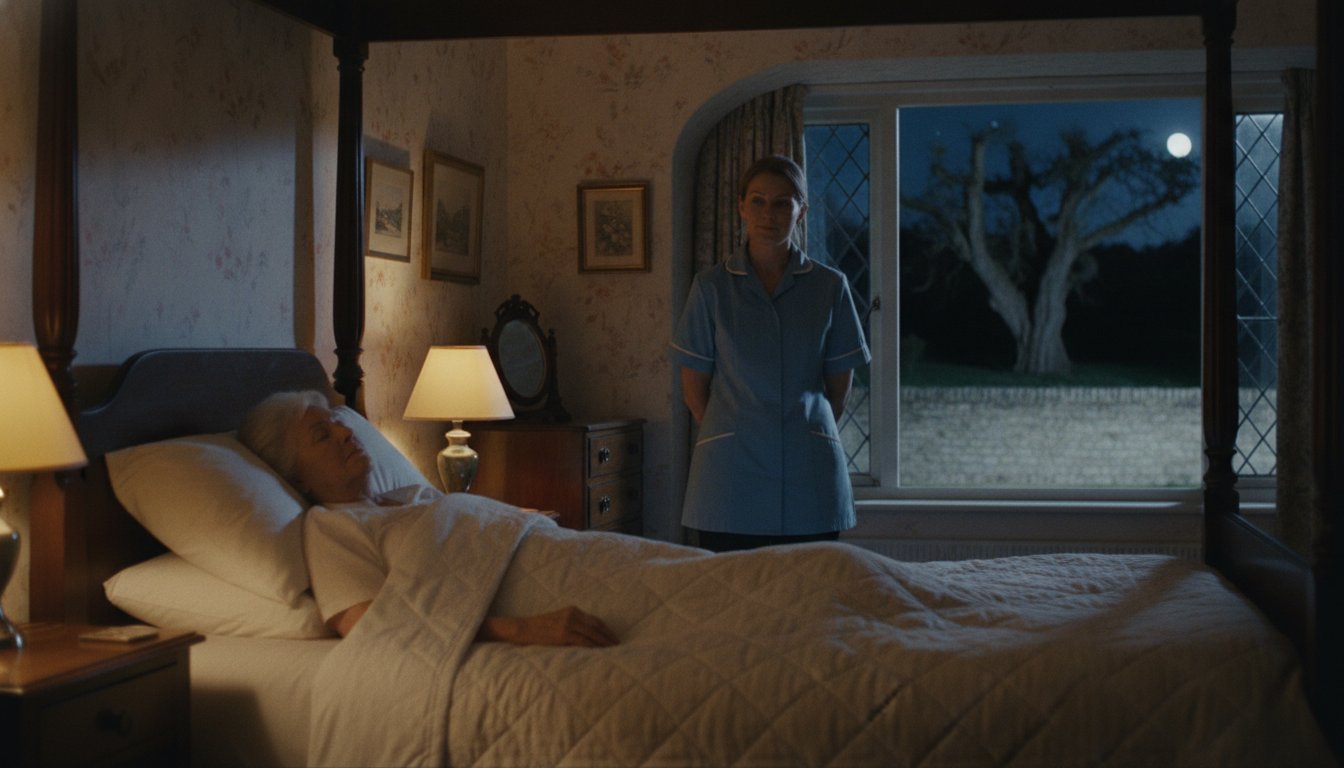
You’re lying in bed, eyes wide, listening for the sound of a footstep or a muffled thud from the room next door. While the rest of Newbury sleeps, your mind is racing with “what ifs” about your parent’s safety or the risk of a fall during an unsupervised trip to the bathroom. Choosing professional overnight care West Berkshire families can rely on transforms these anxious hours into a time of quiet security for your loved one and deep, restorative rest for you.
We understand that the night-time brings unique challenges, especially when managing the “sundowning” effect of dementia or the physical frailty that makes every hallway a potential hazard. It’s a heavy burden to carry alone. This 2026 guide will show you how tailored support allows your family to avoid a premature move to a residential care home. You’ll discover the differences between waking and sleeping nights and learn how to maintain the sanctuary of home while ensuring every person-centred need is met with dignity and professional expertise.
Key Takeaways
- Understand how professional overnight support protects your loved one’s independence while ensuring they remain safe in the comfort of their own home.
- Learn the practical differences between sleeping and waking night options to determine which level of overnight care West Berkshire specialists recommend for your family’s specific needs.
- Recognise the subtle signs that night-time assistance is required, from the onset of “sundowning” confusion to the physical risks of unsupervised movement.
- Discover the step-by-step process of arranging a professional home assessment to identify night-time triggers and create a person-centred support plan.
- See how dedicated night-time support provides the peace of mind you need to sleep soundly, knowing your loved one is resting safely under expert supervision.
Why Overnight Care is Essential in West Berkshire
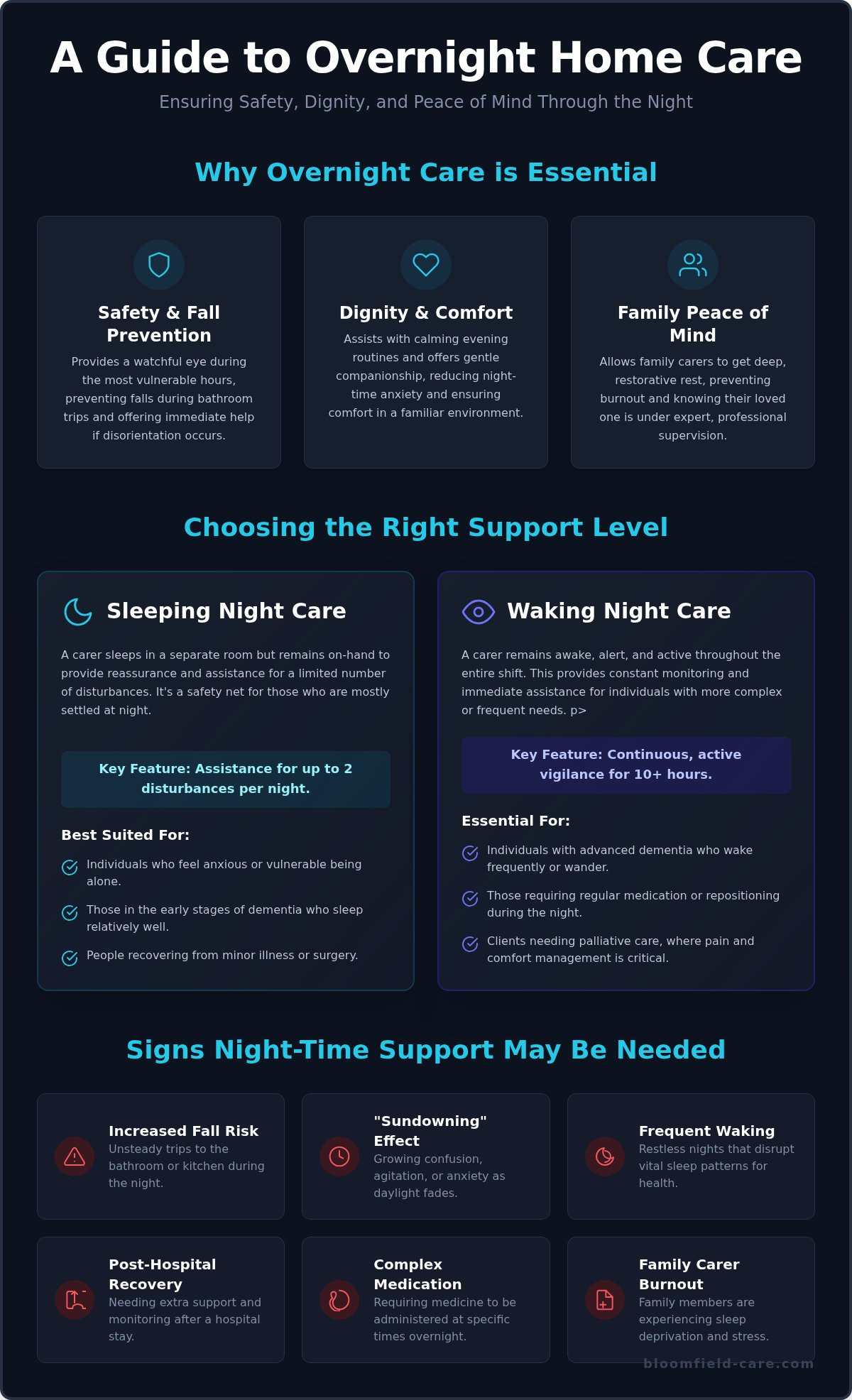
Overnight care is more than a simple presence in the house; it’s a dedicated professional service delivered within the privacy of your home between the late evening and early morning. While many families in Newbury and Thatcham are familiar with daytime home care in the United Kingdom, the night hours present a different set of risks and emotional needs. The primary goal is to ensure safety and dignity while maintaining the continuity of sleep that’s so vital for physical health. Unlike standard domiciliary care visits which focus on specific tasks like meal preparation or medication during the day, overnight care West Berkshire provides a consistent, watchful eye through the most vulnerable hours. For many, this restores the sense of the home as a sanctuary, removing the pervasive fear that a crisis might occur while everyone else is asleep.
The Role of a Night-Time Carer
A night-time carer steps in to manage the delicate transition from day to rest. They assist with calming evening routines, ensuring your loved one feels comfortable and prepared for bed. Once the lights are out, their focus shifts to vigilant monitoring. They’re there to prevent falls during bathroom trips or to offer immediate help if someone becomes disoriented. Beyond physical safety, they provide gentle companionship. This presence is particularly effective at reducing the night-time anxiety or confusion often associated with dementia, ensuring that even if a loved one wakes up, they’re met with a familiar, reassuring face rather than a dark, empty house.
Supporting Families Across West Berkshire
Caring for a relative is a profound act of love, but it shouldn’t come at the cost of your own well-being. Many local families find themselves balancing demanding careers with the constant worry of being “on-call” throughout the night. This chronic sleep deprivation and hyper-vigilance can lead to significant burnout. By introducing professional overnight care West Berkshire families can step back from the front line of night-time monitoring. This allows family members to regain their own health and mental clarity, knowing a professional is handling the risks. Ultimately, overnight care is a person-centred service that bridges the gap between daily visits and 24-hour care.
Sleeping Night vs. Waking Night: Choosing the Right Support
Families often feel overwhelmed when trying to determine exactly how much assistance is required during the small hours. The distinction primarily lies in the carer’s activity level and the frequency of support your loved one needs. While daytime visits focus on active tasks, overnight care West Berkshire services are traditionally split into two categories: sleeping nights and waking nights. Choosing the right one depends on medical stability and the specific triggers that occur after dark. It’s a flexible arrangement; as health conditions evolve, care plans can transition between these levels to ensure the home remains a safe sanctuary for everyone involved.
When to Choose a Sleeping Night
A sleeping night is often the most accessible entry point for local families. This option is designed for individuals who generally sleep well but feel vulnerable or anxious being alone at night. The carer sleeps in a separate room but remains on hand to assist with up to two disturbances, such as a bathroom trip or a momentary lapse in orientation. It’s an ideal choice for those in the early stages of dementia or someone recovering from a minor illness. If you are currently arranging respite care to give yourself a break, a sleeping night provides that vital safety net. It allows you to rest in your own home while knowing a professional is just a few steps away if needed.
When a Waking Night is Necessary
For clients with more complex needs, a waking night is essential. In this scenario, the carer stays awake and alert throughout the entire shift, typically for a ten-hour period. This level of support is crucial for those who wake frequently, require regular medication through the night, or live with advanced dementia. It’s also a cornerstone of palliative care. In these cases, pain management and comfort must be prioritised every single hour. Because the carer is fully active, they can monitor for safety risks like wandering or falls immediately, providing a level of vigilance that a sleeping carer cannot. If your loved one’s needs are becoming more intense, you can explore how specialised night-time support can be tailored to these evolving requirements.
Identifying the Signs: When Does Your Loved One Need Night-Time Support?
Recognising when a loved one requires more than just daytime visits is a delicate, often emotional process. Often, the signs are subtle at first. You might notice “sundowning,” a phenomenon where confusion and agitation increase as the daylight fades. This can lead to your parent pacing the house or becoming distressed by shadows that weren’t there an hour ago. Beyond emotional changes, look for physical clues. Unexplained bruises or scuffs on the furniture often point to night-time falls that went unrecorded. If you notice they’re forgetting their evening meal or neglecting hydration before bed, it’s likely time to consider professional overnight care West Berkshire.
Another critical indicator is your own well-being. Are you sleeping with one ear open, jumping at every creak of the floorboards? If your own health is suffering due to constant vigilance, you’re facing carer burnout. It’s nearly impossible to provide safe, compassionate support when you’re physically and mentally exhausted. While West Berkshire Council’s out-of-hours support is available for urgent emergencies, a consistent night-time presence offers a more sustainable solution for long-term family health.
Safety Risks in the West Berkshire Home
The familiar layout of a home in Thatcham or Newbury changes once the sun sets. Low light turns a simple rug or a misplaced pair of shoes into a dangerous trip hazard for someone with limited mobility. For those with cognitive challenges, the risk of “wandering” into the garden or onto the street is a constant worry for local families. Night-time confusion is a common symptom of dementia that requires professional intervention for safety. Having a dedicated professional ensures these risks are managed before they lead to a hospital admission, keeping the home a secure environment.
Medical and Physical Requirements
Some health conditions require clinical precision that doesn’t stop at 10pm. Managing complex medication schedules through the night is vital for conditions like Parkinson’s or late-stage diabetes. Additionally, maintaining skin integrity through regular repositioning is essential for those with limited mobility to prevent pressure sores. Expert overnight care West Berkshire also addresses incontinence with dignity. They ensure your loved one remains dry and comfortable, which significantly reduces the risk of skin infections and promotes much better sleep quality for the individual.
Arranging Overnight Care for West Berkshire Families
Taking the first step toward professional support is often the hardest part of the journey. It begins with choosing a partner that prioritises safety and clinical excellence. You should always look for a CQC-regulated provider like Bloomfield Care, as this ensures the service meets strict national standards for safety and responsiveness. Once you reach out, the process moves into a detailed home care assessment. This isn’t just a paperwork exercise; it’s a chance to identify specific night-time triggers, such as low-light disorientation or the impact of environmental noise, that might be disrupting your loved one’s rest. By understanding these nuances, we can create a bespoke care plan that respects long-standing evening routines and personal preferences.
The final, and perhaps most vital, stage is matching the right carer to your loved one’s personality. Inviting someone into your home at night requires a high level of trust and emotional comfort. We look for a “click” between the carer and the individual, ensuring that the person providing overnight care West Berkshire feels like a natural extension of the family support system. This partnership approach ensures that the transition feels supportive rather than intrusive, maintaining the dignity of the person receiving care while providing total peace of mind for their relatives.
Navigating Local Authority Support
West Berkshire Council plays a significant role in helping families access the support they need. For the 2026/27 period, the upper capital threshold for care funding is £23,250. If your loved one’s assets fall below this, the council may provide financial assistance. Many families choose to use “direct payments,” which give you the flexibility to select your own regulated agency rather than using a council-allocated provider. For a clearer picture of how these budgets work alongside private fees, you can read our guide on The Cost of Home Care in Oxfordshire and Dorset, which provides essential pricing context for the wider region.
Preparing the Home for a Night Carer
Creating a welcoming environment for a carer helps the service run smoothly from the very first night. For a sleeping night carer, you’ll need to provide a private room with a comfortable bed and fresh bedding. It’s also helpful to set up a “communication log” or handover book. This allows the carer to note down any wakeful periods or concerns for you to review in the morning. Ensure the carer has easy access to necessary medical supplies and knows the location of emergency contact details. If you’re ready to take the next step, we recommend arranging a professional home assessment to ensure every detail is tailored to your family’s unique situation.
Restoring Peace of Mind with Bloomfield Care’s Night Support
Peace of mind isn’t just about knowing someone is present; it’s about knowing the person in your home truly understands your loved one’s history, preferences, and fears. At Bloomfield Care, we believe that professional safety should always be delivered with the warmth of a family support system. Our approach is rooted in a person-centred philosophy that treats every individual with the dignity they deserve. We don’t just manage needs; we enhance well-being. Our professionals are specifically trained in specialist dementia and Alzheimer’s support, allowing them to navigate the complexities of night-time confusion with patience and expert skill. As requirements grow, we provide a seamless transition from night-time visits to Compassionate Live-in Care, ensuring your family never faces a gap in support.
Providing overnight care West Berkshire families can trust is our primary mission. We view the private residence as a sanctuary, and our presence is designed to protect that feeling of familiarity and comfort. By choosing a team that values human connection as much as clinical excellence, you’re not just hiring a service; you’re gaining a dedicated partner in your loved one’s journey.
The Bloomfield Difference in West Berkshire
Our roots in the local community run deep. Since 2014, we’ve provided dedicated support across the Newbury and Thatcham areas, building a reputation for reliability and genuine kindness. We listen more than we speak. Every professional we send into a home has undergone a rigorous vetting process and intensive training to ensure they meet our high standards for excellence. This focus extends beyond physical safety to encompass mental well-being. We understand that a restful night’s sleep is the foundation of a better day, and our carers work tirelessly to create the calm, stable environment necessary for true rest.
Your Next Steps to a Restful Night
Taking the next step is simple and designed to be entirely stress-free. You can book a free, no-obligation care needs assessment where we’ll visit your home to discuss your specific situation. We’ll listen to your concerns and help you decide which level of overnight care West Berkshire best suits your family. During the first 48 hours of care, we focus on a gentle “settling-in” period. This allows us to fine-tune the care plan and ensure the carer-client relationship is off to a positive, reassuring start. We’re here to guide you through this sensitive transition with grace and clarity. We invite you to Contact Bloomfield Care to discuss your overnight care needs today and reclaim the restorative sleep your whole family deserves.
Securing Your Family’s Peace of Mind
The night-time doesn’t have to be a source of constant anxiety for your family. By recognising the subtle signs of sundowning and choosing the right level of waking or sleeping support, you ensure your loved one remains safe in the sanctuary of their own home. Professional overnight care West Berkshire families trust provides more than just safety; it offers the restorative sleep you need to be the best version of yourself during the day. You’re choosing to preserve independence while securing the hours that are often the most challenging to manage alone.
As a CQC regulated provider with a decade of local experience since 2014, we bring specialist dementia training and a person-centred approach to every household we serve in Newbury and Thatcham. Our dedicated team is here to listen and provide the professional vigilance your loved one deserves. Ready to transform your family’s well-being? Book a Free Care Assessment with Bloomfield Care today. Let’s work together to create a night-time routine that prioritises dignity, safety, and a restful night for everyone. You’re making a brave, compassionate choice for your family’s future.
Frequently Asked Questions
What is the difference between a sleeping night and a waking night in West Berkshire?
A sleeping night involves a professional carer resting in your home but remaining available for up to two disturbances during the night. In contrast, a waking night requires the carer to stay alert and active throughout the entire ten-hour shift. This distinction ensures that those with high medical needs or frequent disorientation receive constant supervision, while those who just need a safety presence can rest securely.
How much does overnight care cost in the Newbury and Thatcham area?
The cost of overnight care West Berkshire families pay depends on whether you require a sleeping or waking night service. Waking nights are generally more expensive because the carer remains active for the duration of the shift. Factors such as the complexity of medical needs and whether you use a regulated agency or an independent platform also influence the final rate. Many families use their council personal budget to help cover these costs.
Does a night carer need their own bedroom for a sleeping night?
Yes, a sleeping night carer requires a private, separate bedroom with a comfortable bed and fresh linen so they can rest while remaining on-call. This allows them to be refreshed and ready to assist if your loved one wakes. For a waking night, a separate bedroom is not necessary as the carer will be alert in a communal area or near the client, though they still require a comfortable chair and access to light.
Can overnight care help with dementia-related wandering?
Professional night-time support is highly effective for managing dementia-related wandering in local homes. A waking carer provides constant vigilance, gently redirecting your loved one if they attempt to leave their bed or the house during the night. This immediate intervention prevents falls and ensures they don’t wander into the garden or onto the street, which is a common fear for families in Thatcham and Newbury.
Is overnight care available on a short-term basis for respite?
Yes, overnight care can be arranged on a short-term basis to provide much-needed respite for family caregivers. Whether you’re recovering from an illness yourself or simply need a few nights of uninterrupted sleep, professional support can be tailored to these temporary needs. This flexibility allows you to recharge your own health while knowing your parent is receiving expert care in the comfort of their own home.
How do I know if my parent needs a waking night instead of a sleeping night?
If your parent wakes more than twice a night or requires regular medication and repositioning, a waking night is the safer choice. A sleeping night is better suited for those who generally sleep through but feel anxious being alone. During a professional care assessment, we evaluate these night-time patterns to recommend the most appropriate level of support, ensuring safety remains the top priority throughout the night.
Will the same carer come every night to my home in West Berkshire?
We prioritise consistency by matching a small, dedicated team of carers to your loved one’s personality and routine. While it isn’t always possible for the exact same person to work seven nights a week, we aim to keep the circle of carers as small as possible. This helps build the deep trust and familiarity essential for a person-centred service, ensuring your loved one feels comfortable with every professional who enters their home.
What happens if my loved one needs help more than twice during a sleeping night?
If a loved one consistently requires assistance more than twice during a sleeping night, the service may need to transition to a waking night for safety reasons. This ensures the carer remains alert enough to provide high-quality support without suffering from their own sleep deprivation. We regularly review care plans to identify these changes in need, helping families adjust their support levels smoothly as health conditions or night-time behaviours evolve.