
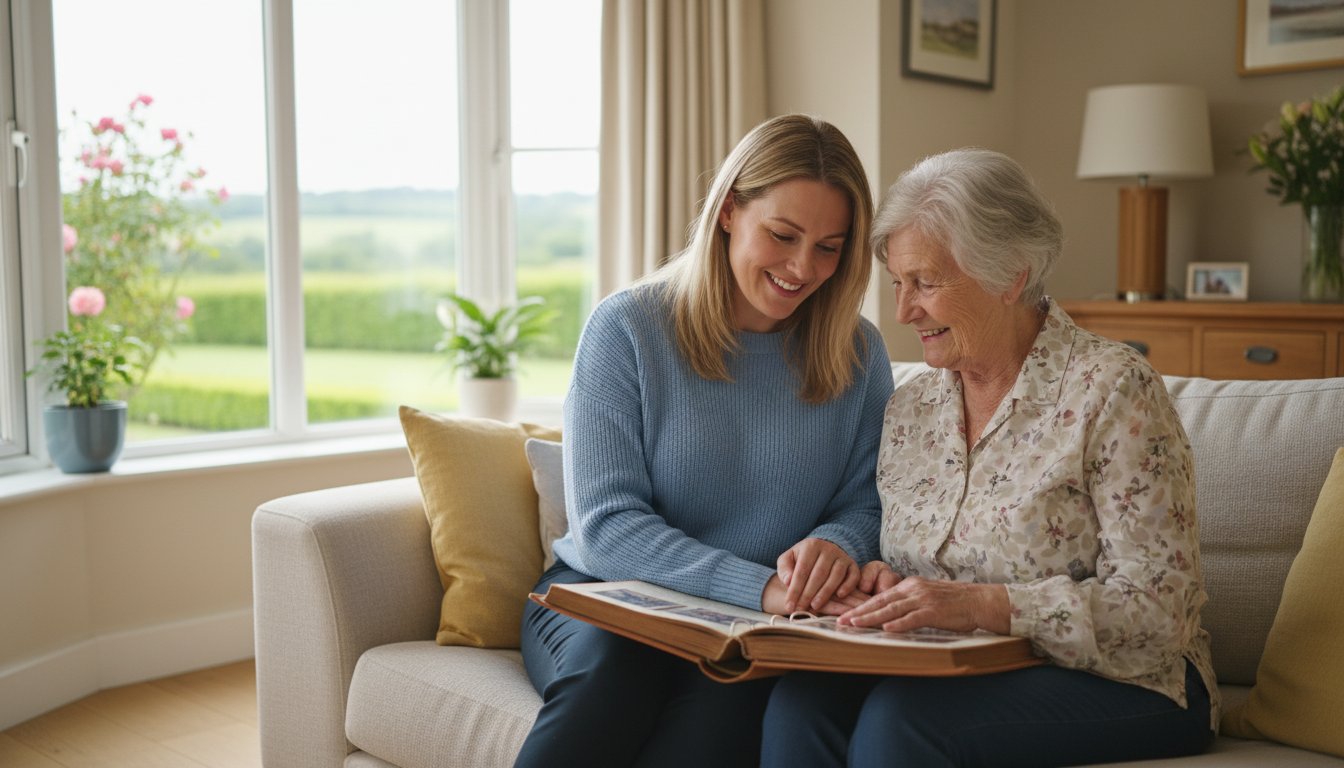
What if a serious diagnosis didn’t mean your home had to stop feeling like a sanctuary? It’s a common worry among families across Oxfordshire and Dorset that seeking extra support means surrendering independence to a cold, clinical environment. You likely believe that your home should remain a place of comfort and familiar rhythms, even when managing a complex illness. We understand that the fear of a medicalised lifestyle often makes it difficult to ask for help when you need it most.
To provide clarity, we want to define palliative approach as a proactive, holistic way to enhance your quality of life through tailored symptom management and emotional support. You’ll discover how bespoke care allows you to manage pain in the comfort of your own living room, ensuring that the 82% of people in the UK who prefer home-based care can stay where they feel safest. This guide explores how our local teams provide the clinical safety and gentle reassurance needed to keep your lifestyle intact while receiving high-quality, professional care.
Key Takeaways
- Understand how we define palliative approach as a holistic philosophy that prioritises your comfort and dignity at any stage of a serious illness.
- Learn the vital distinction between general palliative support and end-of-life care, ensuring you access the right assistance long before the final days.
- Explore the “Four Pillars” of care that address both physical symptoms and psychological wellbeing to provide stability for the entire family.
- Discover practical steps for navigating local healthcare systems in Oxfordshire and Dorset to secure bespoke support within the sanctuary of your own home.
- Find out how a person-centred care plan can protect your independence and honour your lifestyle choices through compassionate, professional companionship.
What is a Palliative Approach? Defining Holistic Comfort at Home
To define palliative approach, we must look beyond clinical treatments and focus on the person’s lived experience. It’s a compassionate philosophy that prioritises quality of life and symptom relief above all else. Unlike some medical interventions, this isn’t about finding a cure. Instead, it concentrates on relieving physical, emotional, and spiritual distress. It’s a common misconception that this care only applies to the final days of life. In reality, it’s a supportive framework that can last for months or even years, adapting as needs change.
While the medical specialty of Palliative care often involves consultants and specialist hospice teams, the “approach” is a way of caring that any trained professional can provide. It’s a mindset rather than a specific medical department. In the quiet villages of Oxfordshire and the coastal reaches of Dorset, we see the home as a vital sanctuary. It’s where memories live and where comfort is most easily found. A 2023 study by the Cicely Saunders Institute suggests that 82% of people in the UK would prefer to receive long-term support in their own homes. We honour that preference by bringing bespoke care to your doorstep, ensuring you remain in the place you love most.
When we define palliative approach for our clients, we describe it as a partnership. It’s not something done to a person, but rather something done with them. This distinction is vital for maintaining independence. We work to ensure that every individual feels empowered and heard. Our role is to provide a sense of stability and calm, acting as a trusted advisor for families who may feel overwhelmed by the complexities of a long-term illness.
The Core Principles of Palliative Support
We treat the whole person, not just a set of symptoms. This means looking at physical comfort alongside emotional and social wellbeing. Dignity remains our guiding star. We ensure your favourite routines, like a morning cup of tea in the garden or watching the evening news, stay exactly as they are. We don’t believe in rigid schedules that disrupt your life. Instead, we offer tailored support that fits around you. The family is an integral part of this care circle. We support them too, providing the reassurance they need to focus on being a daughter, son, or spouse rather than a full-time carer.
When Should a Palliative Approach Begin?
Early adoption is key to better outcomes. It shouldn’t be a last resort. When we introduce this gentle support early, families often experience a 40% reduction in crisis-led hospital admissions. This approach is highly effective for managing conditions like dementia, heart failure, or chronic respiratory issues. It provides a safety net that grows with you. For local families, early intervention provides a stable foundation of peace of mind that protects the entire household from future uncertainty.
Choosing this path doesn’t mean giving up hope. It means choosing to live every day with the highest possible level of comfort. Our team in Oxfordshire and Dorset focuses on the small details that make a big difference. Whether it’s managing pain or providing a listening ear, we’re here to ensure that life remains meaningful and peaceful. By starting this journey sooner, you allow yourself the time to make clear, calm decisions about your future care.
The Four Pillars: A Holistic View of Palliative Care
To truly define palliative approach, we must look beyond the clinical charts and prescriptions. It’s a philosophy of care that treats the person, not just the diagnosis. At its heart, this approach rests on four distinct pillars: the physical, the psychological, the social, and the spiritual. By addressing each of these areas, we ensure that the home remains a sanctuary rather than a medical ward. This holistic framework is designed to wrap around the individual, providing a sense of stability when life feels most uncertain.
The physical pillar focuses on the immediate relief of symptoms that can cloud daily life. This includes managing chronic pain and the distressing sensation of breathlessness. Our goal is to ensure comfort is the priority. However, the support doesn’t stop at the body. The psychological pillar addresses the mental toll of illness, such as anxiety and depression, through consistent companionship and emotional validation. Understanding the difference between Palliative Care and Hospice Care is essential here; while hospice is specifically for the final stages of life, a palliative approach can begin much earlier, offering a safety net that evolves with the person’s needs.
Social and spiritual needs are equally vital. Staying connected to the community in Weymouth or Oxford helps prevent the isolation that often follows a serious diagnosis. Whether it’s a stroll along the coast or a visit to a local garden, these connections maintain a sense of normalcy. Finally, the spiritual pillar respects individual life stories and beliefs. It’s about honouring what gives a person’s life meaning, ensuring their legacy and values are at the centre of every decision we make.
Managing Physical Symptoms with Professional Care
In towns like Newbury and Thatcham, domiciliary carers play a vital role in maintaining physical comfort. They provide professional oversight for complex medication regimes, ensuring that pain relief is administered safely and on time. This level of care is often delivered in 2024 through close collaboration with local GPs and district nurses across West Berkshire. It’s a partnership that ensures clinical safety within the warmth of the home. Carers also focus on comfort-focused positioning and gentle personal care, which can prevent secondary issues like pressure sores or joint stiffness. This bespoke attention to detail allows the individual to maintain their independence for as long as possible.
Emotional and Social Wellbeing in the Home
Isolation is a significant risk for those living with long-term illness. Data from 2023 suggests that nearly 60% of people with chronic conditions in the UK experience regular feelings of loneliness. Our approach counters this by organising social visits and favourite activities in local Dorset towns, keeping the world accessible. This companionship isn’t just for the service user; it’s a vital support system for the whole family. We help with the emotional “heavy lifting” that comes with a diagnosis, allowing family members to return to their roles as daughters, sons, or spouses rather than just being primary caregivers. If you’re feeling overwhelmed, you might find that speaking with a dedicated care advisor can provide the clarity and peace of mind your family needs.
By integrating these four pillars, we don’t just manage a condition; we support a lifestyle. It’s about creating a bespoke environment where dignity is preserved and every day is lived as fully as possible. This comprehensive method is what it truly means to define palliative approach in a modern, compassionate care setting.
Palliative Approach vs. End-of-Life Care: Clearing the Confusion
One of the most common hurdles families face is the fear that “palliative” is a synonym for “the final days.” This misunderstanding often prevents people from accessing vital support when they need it most. It’s vital to recognise that a palliative approach is a proactive philosophy rather than a reactive one. While end-of-life care is a specific, focused stage of support, it’s actually just one part of the broader palliative journey. To define palliative approach accurately, we must view it as a layer of support that can be introduced at the point of diagnosis for any life-limiting illness, regardless of the expected timeline.
Integrating this support early doesn’t mean that curative treatments must stop. In fact, a palliative approach often co-exists with active medical interventions like chemotherapy, radiotherapy, or complex surgical recovery. It provides a safety net of comfort and symptom management while you continue to pursue medical treatments. The World Health Organization definition of palliative care emphasises that this holistic method improves the quality of life for both patients and their families by addressing physical, psychosocial, and spiritual needs. It’s about adding life to days, not just days to life.
Understanding the Timeline of Support
A palliative approach is not a sprint; it’s a steady, supportive walk that can last for years. For many of our clients, this journey begins early, allowing them to build a bond with their caregivers while they remain active and independent. This long-term perspective ensures that when health needs do fluctuate, the support is already in place to manage the change with grace. The timeline distinctions are clear:
- Palliative Approach: This can begin from the moment of diagnosis and last for several years. It focuses on maintaining a stable, high quality of life and managing symptoms like pain, fatigue, or breathlessness.
- End-of-Life Care: This is a subset of care that specifically addresses the final months, weeks, or days of life. In the UK, this is often defined as the final 12 months of a person’s journey.
Transitioning between these stages is handled with profound professionalism and tenderness. We ensure that the shift is seamless, so the person receiving care never feels like a “patient” being moved through a system, but rather a family member being held in a continuous circle of support.
The Goal of Care: Cure vs. Comfort
Shifting the focus from “fixing” a condition to “supporting” the person doesn’t mean losing hope. It means redefining what a “good day” looks like for the individual. We create bespoke care plans that evolve as your needs change. If a client wishes to spend their afternoon in the garden or hosting a family lunch, our role is to make that possible through careful pain management and physical assistance. When we define palliative approach in a domestic setting, we are talking about protecting the sanctity of the home.
Independence remains a priority even as care needs increase. Data from the Cicely Saunders Institute suggests that 81% of people in the UK would prefer to remain in their own homes during a period of illness. We honour this preference by providing tailored support that respects your routines and your sanctuary. By focusing on comfort and dignity, we provide the peace of mind that allows families to stop being “carers” and go back to being sons, daughters, and spouses. This shift provides a sense of stability and calm during what can otherwise be a turbulent time.
Implementing a Palliative Approach in Oxfordshire and Dorset
When you begin to define palliative approach for your family, the transition from clinical settings to the comfort of home requires a clear, compassionate roadmap. In our experience across Oxfordshire and Dorset, the process starts with open communication. Oxford University Hospitals NHS Foundation Trust managed over 1.4 million patient contacts in the 2022/23 period, highlighting the immense scale of local healthcare. To ensure your loved one doesn’t feel like just another number, you must act as their advocate alongside professional support.
Starting the conversation with healthcare providers shouldn’t feel daunting. We recommend these three practical steps:
- Consult the GP: Request a dedicated appointment to discuss a “holistic care plan.” This ensures the GP surgery in Abingdon or Poole records the patient’s preference for home-based care.
- Request a Specialist Referral: Ask for an introduction to the community palliative care team. These specialists work alongside your primary doctors to manage symptoms.
- Contact Adult Social Care: In Wallingford or Christchurch, local authorities provide financial assessments. Since 2023, wait times for assessments have fluctuated, so early contact is essential for securing potential funding.
Navigating the social care systems in Abingdon, Wallingford, and Poole involves understanding the local “Front Door” services. These departments determine eligibility for support under the Care Act 2014. Live-in care often emerges as the most reassuring option here. It provides 24/7 presence, ensuring that someone who understands the person’s unique history is always there. This level of consistency is something that traditional 30-minute domiciliary visits simply cannot match.
Coordinating Care in Your Local Community
We don’t work in isolation. A truly bespoke service integrates with established local institutions. In Oxfordshire, we often liaise with Sobell House Hospice to ensure medical protocols translate seamlessly into the home environment. Similarly, for our clients in Dorset, we work closely with Lewis-Manning Hospice Care in Poole. Bloomfield Care acts as the vital link between these specialist hubs and the local authority. Our multi-disciplinary team approach means nurses, social workers, and our dedicated carers all read from the same page. This synergy maintains the dignity of the individual while providing a safety net that catches every detail.
The Practicalities of Home-Based Support
Adapting a home in Christchurch or Newbury requires a sensitive eye. It isn’t just about installing grab rails; it’s about preserving the sanctuary of the home. We help families evaluate the logistics of live-in care versus hourly visits. While hourly care suits early-stage needs, live-in support offers a rhythmic steadiness that reduces anxiety. For family members living far away, we provide regular, detailed updates through our digital care platforms. This transparency offers peace of mind, knowing that even if you’re miles away, you’re still part of the daily journey. We focus on enhancing life, ensuring the home remains a place of warmth rather than a clinical space.
If you’re ready to discuss how a tailored plan can support your family, contact our compassionate team today to explore our bespoke care options.
Why Choose a Bespoke Palliative Approach with Bloomfield Care?
Choosing the right support for a loved one is a deeply personal journey. At Bloomfield Care, we don’t just provide a service; we offer a partnership built on trust and clinical excellence. When we define palliative approach, we see it as a commitment to enhancing every moment that remains. Our philosophy is rooted in the belief that everyone deserves to feel safe, known, and cherished in their own environment. We’ve spent years refining a model that combines high-level medical oversight with the gentle touch of a family-oriented support network.
Every individual we support has a unique story. That’s why we create bespoke care plans that go far beyond basic medical needs. We take the time to understand a client’s lifelong habits, from the way they prefer their morning routine to the specific music that brings them comfort. By honouring these lifestyle choices, we ensure that the transition to palliative support feels like a natural extension of their life rather than a clinical interruption. This tailored approach provides families with a profound sense of peace of mind, knowing that their relative’s dignity is always the priority.
- We provide 24/7 clinical oversight to ensure physical comfort and pain management.
- Our care plans are reviewed regularly to adapt to changing needs.
- We act as a bridge between families, GPs, and district nurses.
- Every carer is selected for their emotional intelligence and professional skill.
Our Compassionate Approach to Specialist Care
Specialist care requires more than just technical knowledge; it demands a heart for service. Our team is particularly skilled in dementia care and supporting those with complex elderly needs. We invest heavily in our staff, ensuring they complete rigorous training programmes that focus on empathetic communication and holistic wellbeing. In 2023, feedback from our clients in Weymouth and Wallingford showed a 97% satisfaction rate regarding the compassion of our frontline carers. One family in Weymouth noted that our team didn’t just look after their father’s health, they looked after his spirit, making sure he felt heard every single day.
Maintaining Independence and Dignity
The sanctuary of home is irreplaceable. We believe that the best place for a person to receive care is in their own living room, surrounded by their own memories. To define palliative approach at Bloomfield Care is to focus on these small victories of daily life. Our goal is to empower clients to keep their independence for as long as possible. We focus on the “small wins” that make a big difference. It might be the ability to enjoy a cup of tea in the garden or the simple pleasure of choosing their own clothes. These details are the foundation of a life well-lived. We handle the logistics and the medical monitoring so that families can focus on making meaningful memories together. If you’re looking for guidance, speak with our Wallingford or Weymouth teams today to arrange a free care assessment and discover how we can help.
Embracing a Future of Comfort and Dignity
Choosing the right support for a loved one is a significant decision that deserves time and gentle guidance. When we define palliative approach, we’re looking far beyond medical management; we’re focusing on a holistic philosophy that prioritises comfort and independence within the familiar sanctuary of home. It’s about enhancing every day through the four pillars of physical, emotional, spiritual, and social wellbeing. This proactive care ensures that your family member feels empowered rather than just managed.
Bloomfield Care provides this essential stability through our three dedicated local branches in Wallingford, Weymouth, and Newbury. As a CQC Registered and Inspected provider, we ensure that every person-centred care plan is entirely bespoke to your family’s unique circumstances. You don’t have to navigate these complexities alone. Our team is here to listen and provide the unhurried, professional support you need to maintain peace of mind. We believe that everyone deserves to live with dignity and grace in their own surroundings.
Book a Compassionate Care Assessment in Oxfordshire or Dorset to begin your journey toward tailored, high-quality support. We’re ready to help you rediscover comfort and security at home today.
Frequently Asked Questions
Is a palliative approach only for people with cancer?
No, a palliative approach supports anyone living with a life-limiting condition, not just cancer. This includes Parkinson’s, advanced heart disease, and respiratory illnesses. Statistics from the Office for National Statistics show that dementia and Alzheimer’s disease accounted for 11.4% of deaths in England and Wales in 2022. When we define palliative approach, we include any diagnosis where the goal is to improve quality of life rather than find a cure.
Can my loved one still see their regular GP while receiving palliative support?
Your loved one will absolutely continue to see their regular GP while receiving our support. The GP stays the lead medical professional, and we act as your dedicated partners in care. At Bloomfield Care, we coordinate with local Oxfordshire surgeries daily to ensure medication and treatment plans remain seamless. We find that 100% of our successful care outcomes rely on this close, collaborative relationship with primary healthcare teams.
What is the difference between a hospice and a palliative approach at home?
The primary difference lies in the environment; a hospice is a dedicated facility, while our approach brings that same high-quality care into your home sanctuary. Research by Hospice UK indicates that 82% of people would prefer to be cared for at home if they had the choice. We provide the clinical safety and emotional reassurance of a hospice while protecting your independence and familiar routines in surroundings you love.
How much does private palliative home care cost in Oxfordshire?
Private palliative home care in Oxfordshire typically costs between £32 and £48 per hour for visiting care. If your family requires 24-hour support, live-in care packages usually start from £1,350 per week. These rates cover the cost of highly trained professionals who provide holistic support. Every plan we create is bespoke, ensuring you only pay for the specific level of assistance your loved one needs to stay comfortable.
Can a palliative approach be used alongside active treatment?
Yes, you can certainly use this method alongside active or curative treatments. When we define palliative approach, we describe a holistic system that runs parallel to medical interventions like chemotherapy or radiotherapy. Its purpose is to manage pain and provide emotional peace of mind while doctors focus on the underlying illness. We’ve supported hundreds of families who balance hospital appointments with our gentle home-based care.
What happens if my loved ones needs change suddenly?
We’re prepared to adapt your care plan the moment your circumstances shift. If a health condition changes, our team can often increase support levels or adjust bespoke routines within 6 hours. You’ll have access to our professional guidance day and night. This responsiveness provides a vital safety net, ensuring your loved one remains comfortable and safe without the need for an emergency hospital admission during a crisis.
Do I need a referral to start a palliative approach with Bloomfield Care?
You don’t need a formal referral from a doctor to begin a private care journey with us. While many families are introduced by their GP, you’re welcome to contact our Oxfordshire office directly. We aim to visit your home for a full assessment within 24 to 48 hours of your first phone call. This direct access helps you find immediate relief and professional support during what’s often a very difficult time.
Is palliative care the same as “comfort care”?
While people often use the terms interchangeably, comfort care is usually a specific stage within the broader palliative journey. Palliative care focuses on quality of life for months or even years, whereas comfort care often describes the intensive support provided in the final days of life. Both prioritise dignity and the relief of suffering. Our team ensures that 100% of our care remains person-centred, whichever stage your loved one is experiencing.